The Future of Corporate Interior Planning
Why hybrid offices demand a fundamentally new approach to space, scale, and daily ritual.
The Future of Corporate Interior Planning sits at the intersection of operations and people. The way space is organized — the way materials wear, the way light hits a workstation at 3pm — quietly shapes what gets built and at what quality. This is a brief look at the principles we apply across Earthana projects to make that quiet shaping intentional.
Where most teams start
The default starting point is the floor plan: square footage, adjacencies, code constraints. That is a real input, but it is downstream of the question that matters more — what does an operator's actual day look like, and where does the design either help or hinder them?
Design is the rendering of intent. When intent is clear, the rest follows.
Three principles we apply
- Start from operator flow, not floor plan.
- Choose materials for the second decade, not the first month.
- Measure energy and movement as design outputs, not afterthoughts.
What this looks like in practice
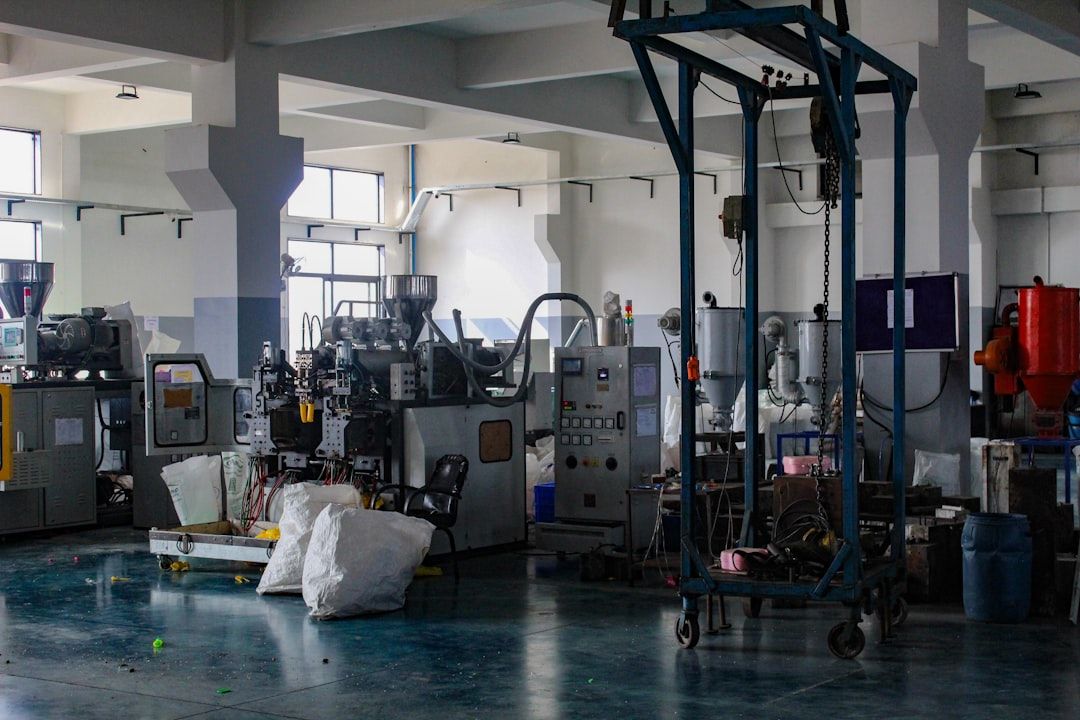
On a recent factory engagement, applying these principles produced an 18% reduction in unplanned walking time and a 22% lift in operator-reported satisfaction over six months. The changes were not exotic — better light, fewer crossings, a single shared tooling wall — but they were chosen deliberately and measured rigorously.
If you are working through a similar problem on your own floor, we'd love to compare notes.
Vijay Anand
Lead Designer, Earthana
Vijay leads design at Earthana, working across industrial systems, architecture, and human-centered product environments.